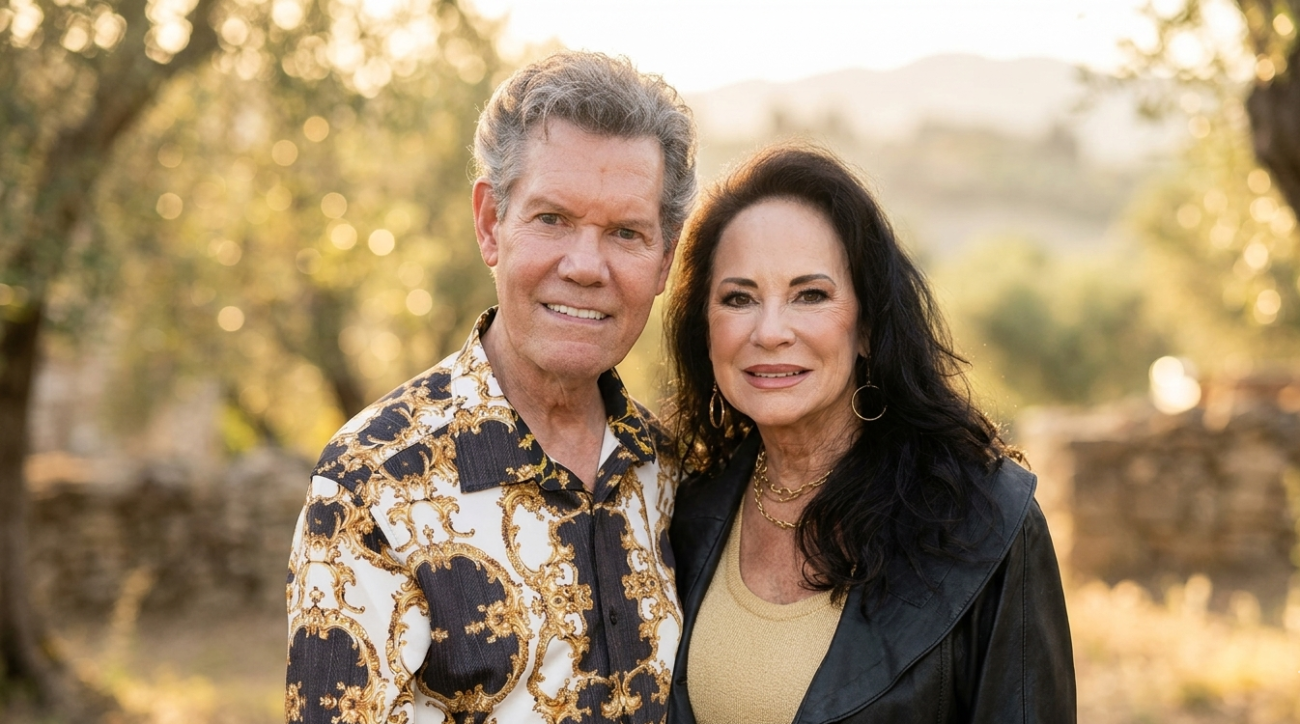
Mary Beougher is a figure who has remained largely outside the glare of constant media attention, yet her name often appears in connection with one of country music’s most recognized voices. Unlike many individuals tied to celebrity culture, her early life is not documented through a steady stream of public interviews or media coverage, which creates a sense of quiet mystery around her formative years. What can be gathered from widely circulated biographical references suggests that she was raised in the United States in an environment that valued stability, family structure, and practical responsibility, qualities that later seemed to define much of her adult life.
Rather than pursuing visibility or public recognition, Mary Beougher is often described as someone who built her identity through private commitments, personal relationships, and professional support roles. This kind of grounded background frequently shapes individuals who later become influential behind the scenes, especially in industries where emotional resilience and organizational skill matter as much as public fame. Her story begins not in the spotlight but in the quieter spaces where character and perspective are formed over time.
As she moved into adulthood, Mary developed a reputation among those who knew her as someone dependable and composed. These traits would later become essential when her life intersected with the unpredictable world of entertainment, where public image, media pressure, and personal challenges often collide. Although she did not initially pursue a public-facing career, her path would eventually shift in a direction that placed her in close proximity to fame, responsibility, and high emotional stakes.
Personal Life Before Public Attention
Before her name became widely recognized through association with country music, Mary Beougher lived a life that, by most accounts, followed a traditional and private trajectory. She is often described as having focused on family responsibilities and personal commitments, raising children and maintaining a stable home environment. This phase of her life is significant because it helped establish the emotional and organizational foundation that later defined her public role.
During this period, she was married and became a mother, experiences that shaped her understanding of long-term responsibility and caregiving. These roles required patience, adaptability, and strength—qualities that are not always visible but become essential when life circumstances change dramatically. Unlike celebrity narratives that often begin with fame, her early adulthood reflects a quieter, more familiar reality shared by many individuals whose contributions remain outside public recognition.
It is also during this time that she reportedly developed skills related to coordination and management in professional or semi-professional environments. While detailed records are limited, she is frequently associated with organizational capabilities that would later become relevant in the entertainment world. This combination of personal grounding and developing professional awareness positioned her uniquely for the unexpected direction her life would eventually take.
Meeting and Marriage to Randy Travis
A defining turning point in Mary Beougher’s life came through her connection with country music icon Randy Travis. Their relationship is often described as evolving gradually from professional familiarity into a deeply personal partnership built on trust, shared experience, and emotional understanding. By the time they officially married in 2015, their bond had already been shaped by years of shared life circumstances, including both personal and professional challenges.
Their marriage marked not just a personal union but also the blending of two lives that had already been intertwined through hardship and recovery. In many accounts, Mary is portrayed as a stabilizing presence during periods when Randy Travis’s life was undergoing significant transformation. Rather than entering the relationship as a figure seeking public attention, she stepped into a role that required resilience, discretion, and commitment.
What makes their relationship particularly notable in public narratives is the timing and context. Their marriage came after a long period of health struggles for Travis, meaning that the foundation of their partnership was built not on glamour or publicity but on care, loyalty, and shared endurance. This aspect of their story has often been highlighted as an example of partnership defined by depth rather than visibility.
Life in the Public Eye and Professional Role
After becoming closely associated with Randy Travis, Mary Beougher gradually stepped into a role that extended beyond personal companionship. She is often described in media accounts as someone involved in managing aspects of his professional life, especially during periods when his public appearances and career activities required careful coordination.
This kind of behind-the-scenes involvement is critical in the entertainment industry, where artists often rely on trusted individuals to handle scheduling, communication, and logistical decisions. Mary’s contribution in this area is frequently characterized as practical rather than performative. She was not seeking the spotlight but instead ensuring that essential systems functioned smoothly around a high-profile figure whose career had already spanned decades.
Her approach to this role has been described as steady and detail-oriented. Rather than reshaping the public image of her husband, she focused on preserving continuity and supporting existing structures. In doing so, she became part of the quieter machinery that allows public careers to continue operating despite personal and health-related disruptions.
As public interest in Randy Travis remained strong, especially among long-time fans, Mary’s presence naturally attracted attention. However, she maintained a relatively low-profile approach, rarely engaging in public self-promotion and instead allowing her actions to define her contribution.
Health Crisis and Emotional Resilience
One of the most defining chapters in Mary Beougher’s life emerged during the severe health crisis experienced by Randy Travis in 2013, when he suffered a life-threatening stroke that significantly affected his ability to speak, move, and perform. This event dramatically changed the course of both their lives and placed Mary in a role that extended far beyond companionship or management.
During this period, her responsibilities shifted toward caregiving, advocacy, and emotional support. Rehabilitation from such a medical condition is a long and complex process, requiring not only medical intervention but also consistent personal encouragement and structured daily care. Mary’s involvement during this time is often described as unwavering, reflecting both emotional strength and long-term commitment.
The public often sees recovery stories in fragments—milestones, brief appearances, or symbolic moments—but behind those moments are years of consistent effort. Mary’s role during this period illustrates the less visible side of celebrity life, where personal dedication becomes central to survival and recovery. Her presence helped ensure continuity in care, communication with medical professionals, and preservation of stability in an otherwise unpredictable environment.
This chapter also redefined her identity in the eyes of many observers. She was no longer seen solely as a spouse or manager but as a key figure in a deeply human story of resilience and recovery. The emotional weight of this responsibility is difficult to measure, yet it remains one of the most significant aspects of her public narrative.
Family Life and Private World
Despite her association with a well-known public figure, Mary Beougher has consistently maintained a strong boundary between public exposure and private life. She is known to value family relationships deeply, including her children from a previous marriage, and she has continued to prioritize personal stability even as public attention has increased around her.
Her household life, as described in various biographical accounts, reflects a focus on normalcy rather than celebrity culture. This includes maintaining private routines, preserving family connections, and limiting unnecessary media exposure. In an environment where public figures are often drawn into constant visibility, this deliberate privacy stands out as a defining characteristic.
Family has remained a central theme throughout her life story. Whether through motherhood, marriage, or caregiving, her identity is closely tied to roles that emphasize support and continuity. This continuity has likely been a stabilizing force during periods of significant change, especially during the years surrounding her husband’s health recovery.
Even as interest in her life has grown, she has not pursued public platforms or attempts at personal branding. Instead, her influence appears most clearly in the stability of her immediate environment and in the consistency of her support system.
Public Perception and Media Attention
Public perception of Mary Beougher is shaped largely by association rather than independent celebrity status. Because she is connected to Randy Travis, media coverage tends to frame her through the lens of his career, health journey, and legacy. This has resulted in a narrative where her identity is often viewed in relation to his story rather than as a standalone public figure.
However, among those who follow entertainment news more closely, she is frequently recognized as an essential figure in maintaining stability around a major artist. Her role is often interpreted as one of quiet strength—someone who operates without seeking attention but whose presence is crucial during moments of difficulty.
This type of public perception highlights an important reality about individuals connected to celebrity life: influence is not always measured by visibility. In Mary’s case, her contribution is often described in terms of reliability, emotional grounding, and long-term commitment rather than public-facing achievements.
At the same time, the limited availability of detailed personal information has contributed to a sense of privacy that continues to surround her. Unlike many figures in the entertainment ecosystem, she has not participated in extensive media storytelling about her own life, which preserves a level of separation between public curiosity and private reality.
Legacy and Continuing Impact
The broader significance of Mary Beougher’s life story lies not in traditional definitions of fame but in the impact of support roles within high-pressure environments. Her journey illustrates how personal dedication, emotional resilience, and organizational strength can shape the trajectory of public figures without necessarily placing the individual in the spotlight.
Through her connection with Randy Travis, she has been part of a narrative that includes success, adversity, recovery, and continued legacy. While the artist’s achievements are widely recognized in the world of country music, the stability behind those achievements often depends on individuals who operate outside the stage lights.
Mary’s legacy, therefore, is closely tied to endurance and presence. She represents the kind of figure whose influence is measured not by awards or public appearances but by sustained commitment during critical moments. In stories of recovery and long-term partnership, such roles are often the least visible yet among the most important.
As time continues, her story remains interconnected with themes of loyalty, caregiving, and quiet resilience. While she may never be a traditional public celebrity, her presence within one of country music’s most recognized personal journeys ensures that her role will remain part of broader discussions about support systems, family strength, and the human side of fame.
