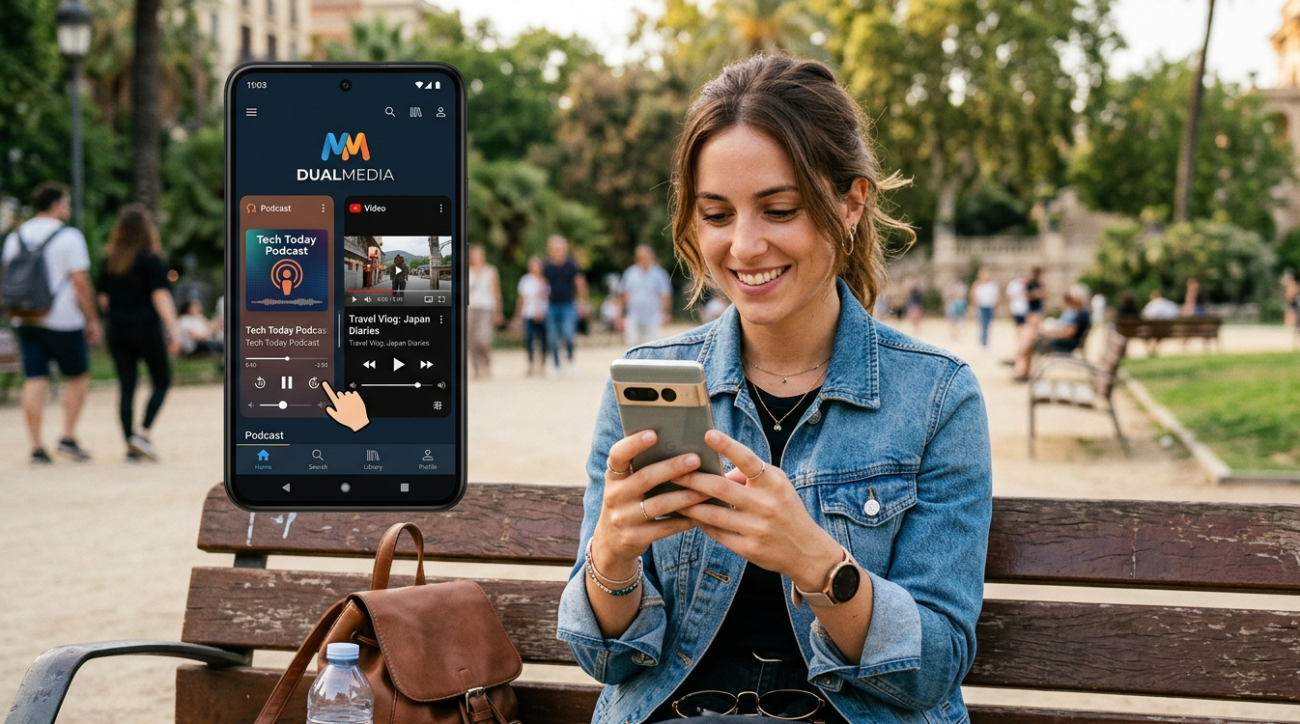
In a world where smartphones have become extensions of human behavior, the demand for smarter, faster, and more versatile apps continues to grow. One concept that has quietly but powerfully emerged in this landscape is the application mobile dualmedia—a new breed of mobile application designed to integrate multiple forms of media into a single, fluid experience. Whether it’s blending video and audio, syncing text with visuals, or allowing real-time interaction across formats, the application mobile dualmedia represents a shift toward richer digital engagement.
This article dives deep into what makes the application mobile dualmedia so impactful, how it works, why businesses and users are embracing it, and what the future holds.
Understanding the Core of Application Mobile DualMedia
At its essence, an application mobile dualmedia is a mobile application that simultaneously delivers and manages two or more types of media within a unified interface. Instead of switching between apps or tabs, users can interact with layered content—watching a video while reading synchronized text, listening to commentary alongside visuals, or engaging in real-time chats during live streams.
Unlike traditional apps that focus on a single format, the application mobile dualmedia is built around integration. It brings together audio and video streams, text overlays or transcripts, interactive features like polls and chats, and real-time synchronization between media types. This convergence creates a more immersive experience, allowing users to consume content in a way that feels natural and efficient.
Why Application Mobile DualMedia is Gaining Popularity
The rise of the application mobile dualmedia is not accidental. It aligns perfectly with how modern users consume content—fast, interactive, and multi-layered.
People no longer want passive experiences. They want control, context, and connection. The application mobile dualmedia provides all three. For example, instead of watching a tutorial video separately from reading instructions, users can do both simultaneously, enhancing understanding and retention.
From a behavioral perspective, multitasking has become the norm. The application mobile dualmedia taps into this habit by eliminating friction between different types of content. It reduces the need to switch apps, saving time and improving engagement.
Key Features of Application Mobile DualMedia
The power of an application mobile dualmedia lies in its features. These applications are designed with user experience at the forefront, combining multiple functionalities into one cohesive platform.
Real-Time Media Synchronization
A defining feature of the application mobile dualmedia is its ability to synchronize different media formats in real time. Subtitles appear perfectly aligned with video playback, or background commentary matches live visuals.
Interactive User Interface
Modern users expect interactivity. The application mobile dualmedia often includes clickable overlays, live chats, and embedded reactions, making the experience more engaging.
Multi-Window Viewing
Instead of forcing users to choose one type of content, the application mobile dualmedia allows simultaneous viewing. Split screens or layered interfaces make it easy to consume multiple streams at once.
Offline Accessibility
Many application mobile dualmedia platforms now offer offline modes, enabling users to download synchronized media for later use without losing functionality.
Personalization and AI Integration
Personalization is another strong point. The application mobile dualmedia uses algorithms to tailor content combinations based on user behavior, creating a highly customized experience.
Use Cases of Application Mobile DualMedia Across Industries
The versatility of the application mobile dualmedia has made it valuable across multiple sectors. Its ability to combine media types opens doors to innovative applications.
Education
In education, the application mobile dualmedia transforms learning. Students can watch lectures while reading notes or engaging in quizzes simultaneously, improving comprehension and retention.
Entertainment
Streaming platforms are evolving into application mobile dualmedia ecosystems. Viewers can watch shows while accessing behind-the-scenes content, live chats, or synchronized trivia.
Marketing and Advertising
Brands are using the application mobile dualmedia to create immersive campaigns. Imagine watching a product video while interacting with clickable purchase options or reading detailed descriptions in real time.
Healthcare
In healthcare, the application mobile dualmedia enables doctors and patients to interact more effectively. A patient might watch a procedure video while reading step-by-step instructions or communicating with a professional.
Corporate Training
Companies are adopting the application mobile dualmedia for employee training programs. Combining video tutorials with real-time assessments ensures better learning outcomes.
Technical Foundation Behind Application Mobile DualMedia
Building an application mobile dualmedia requires advanced technological infrastructure. Developers must integrate multiple systems to ensure smooth performance.
Media Processing Engines
These engines handle the encoding, decoding, and synchronization of different media formats within the application mobile dualmedia.
Cloud Integration
Cloud technology plays a critical role in storing and delivering content efficiently. The application mobile dualmedia relies on cloud services for scalability and real-time updates.
Low-Latency Streaming
To maintain synchronization, the application mobile dualmedia must minimize delays. Low-latency streaming ensures that all media components align perfectly.
Cross-Platform Compatibility
Users expect seamless performance across devices. The application mobile dualmedia is often designed to work on both Android and iOS without compromising functionality.
Challenges in Developing Application Mobile DualMedia
Despite its advantages, creating an application mobile dualmedia is not without challenges.
Complex Development Process
Integrating multiple media types requires sophisticated coding and testing. Developers must ensure everything works harmoniously within the application mobile dualmedia.
High Resource Consumption
Running multiple media streams can strain device resources. Optimizing performance is crucial for the success of an application mobile dualmedia.
User Interface Design
Designing an intuitive interface that doesn’t overwhelm users is a delicate balance. The application mobile dualmedia must remain user-friendly despite its complexity.
Data Management
Handling large volumes of data efficiently is another challenge. The application mobile dualmedia must ensure smooth playback and quick loading times.
Benefits of Using Application Mobile DualMedia
The advantages of the application mobile dualmedia extend to both users and businesses.
Enhanced User Engagement
By offering multiple content layers, the application mobile dualmedia keeps users engaged for longer periods.
Improved Learning and Retention
Combining visual and textual information makes it easier to understand complex concepts.
Time Efficiency
Users can access all necessary information within a single platform, reducing the need for multiple apps.
Increased Revenue Opportunities
For businesses, the application mobile dualmedia opens up new monetization strategies, such as interactive ads and premium features.
Future Trends of Application Mobile DualMedia
The evolution of the application mobile dualmedia is just beginning. Several trends indicate where this technology is headed.
Integration with Augmented Reality (AR)
Future versions of the application mobile dualmedia may incorporate AR, allowing users to interact with 3D content alongside traditional media.
Voice and Gesture Controls
Hands-free interaction could become a standard feature in the application mobile dualmedia, enhancing accessibility.
AI-Driven Content Pairing
Artificial intelligence will play a bigger role in determining how different media types are combined within the application mobile dualmedia.
5G and Beyond
With faster internet speeds, the application mobile dualmedia will deliver even more seamless and high-quality experiences.
How Businesses Can Leverage Application Mobile DualMedia
For companies looking to stay competitive, adopting the application mobile dualmedia can be a game-changer.
Businesses can create interactive customer experiences, deliver richer content without overwhelming users, build stronger engagement through personalization, and stand out in crowded app marketplaces. The key is to focus on user needs and design the application mobile dualmedia around real-world use cases.
Conclusion
The digital world is moving toward integration, and the application mobile dualmedia stands at the center of this transformation. By merging multiple forms of content into a single, seamless experience, it redefines how users interact with mobile applications.
From education to entertainment, healthcare to marketing, the application mobile dualmedia is reshaping industries and setting new standards for engagement. As technology continues to advance, its potential will only expand, making it an essential component of the modern app ecosystem.
For developers, businesses, and users alike, embracing the application mobile dualmedia is not just an option—it’s a step toward the future of digital interaction.
